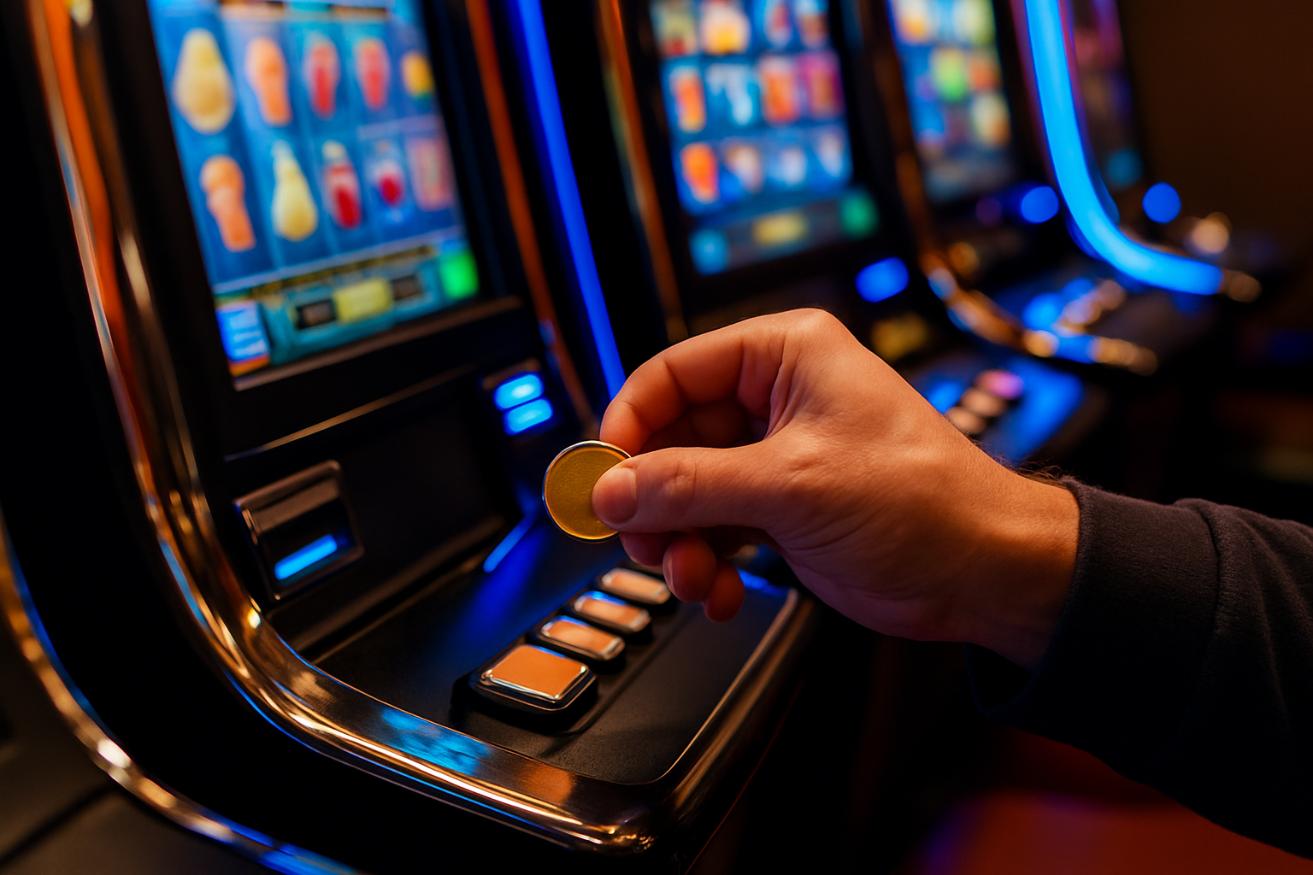



Managing a household budget requires careful planning, especially when income must cover food, housing, utilities, transportation, healthcare, education, and savings. Gambling can complicate these responsibilities when spending becomes unpredictable or money intended for essential expenses is used for wagers.
Understanding the difference between entertainment spending and financial obligations is an important step toward protecting household stability.
Put Essential Expenses First
A household budget should begin with necessary expenses. These typically include rent or mortgage payments, groceries, electricity, water, transportation, debt obligations, and other recurring bills.
Emergency savings are also important because unexpected medical costs, repairs, or changes in employment can quickly affect a family’s finances.
Money allocated to these priorities should not be used for gambling. A potential win is uncertain, while household obligations generally have specific amounts and due dates.
If a budget has little room after essential costs, the safest financial decision is to avoid gambling rather than trying to generate extra income through chance.
Track Every Transaction
Small transactions can be easy to overlook, particularly when deposits and payments occur through mobile applications. Reviewing bank statements, e-wallet histories, and spending records helps reveal where money is going.
A simple spreadsheet or budgeting application can categorize expenses into essentials, savings, debt payments, and discretionary purchases.
If gambling expenses appear in the records, calculate the total spent over a month rather than focusing on individual transactions. Include deposits and losses, and avoid counting a temporary win as dependable income.
Regular reviews can help households recognize patterns before they become more serious financial problems.
Avoid Borrowing to Recover Losses
One dangerous response to a gambling loss is attempting to recover the money through another wager. This can lead to escalating spending and make it harder to meet financial obligations.
Borrowing from friends, using credit cards, or taking out loans to continue gambling can add interest costs and create longer-term debt.
Instead, stop gambling and assess the household budget honestly. If debts have already accumulated, prioritize essential payments and consider speaking with a reputable financial counselor or qualified debt adviser.
Build Healthier Financial Habits
Families can protect their finances by setting realistic savings goals, discussing major expenses, and establishing clear boundaries around discretionary spending.
If gambling is causing repeated conflict, secrecy, or financial distress, professional support may be appropriate. Seeking assistance early is a practical step, not a personal failure.
Conclusion
A stable household budget depends on protecting essential expenses, monitoring transactions, and avoiding debt-driven decisions. Gambling should never be treated as a reliable way to pay bills or build savings. By prioritizing financial needs and recognizing warning signs early, households can make more informed choices and preserve their long-term financial security.
 A personal budget provides a clear boundary for discretionary spending. Money spent on gambling cannot simultaneously be used for groceries, savings, bills, or other priorities.


 The short answer is yes. UK players can legally play at EU casinos for UK players in 2026. But the full picture is a bit more detailed. Rules have changed since Brexit, and players are more aware of licensing, safety, and player rights than ever before. The good news is that many EU casinos still welcome UK players and do so within clear legal boundaries. Here’s what matters in 2026 and why the situation remains largely positive for UK gamblers.

 Think about the potential downsides before you jump into casino stocks. New rules can reduce profitability in an already highly regulated industry. The casino industry’s stock price also moves in tandem with the economy as a whole because it is cyclical. Casino earnings could take a hit when consumers cut back on non-essential expenditure due to economic downturns.
 The stakes are high in both gambling and stocks and bonds. Putting money on the line means taking a chance on something whose result is anyone’s guess. Similarly, placing money into the stock market means betting on an asset’s value, which could rise or fall. The odds are the deciding factor. The chances of winning in gambling are nearly never in your favor.



 Travel and scheduling are two of the most underrated variables in sports betting. They don’t show up cleanly in box scores. They rarely get the same attention as injuries or matchups—even if you’re checking odds right after a MrJack Bet login. And yet, they quietly influence performance every night. Sportsbooks account for them. Professional bettors do too. Casual bettors often don’t. Understanding how travel, rest, and scheduling strain affect teams helps explain why some results feel predictable only after they happen. It also highlights where pricing can lag behind reality.
 Choosing the right league to specialize in is one of the most important decisions a bettor can make. It shapes the quality of your analysis, the types of edges you can find, and the consistency of your results over time. Many bettors jump between competitions chasing action, logging into platforms like Bet 10 login just to find something to bet. That usually leads to shallow knowledge and missed value. Specialization works because betting markets reward focus.
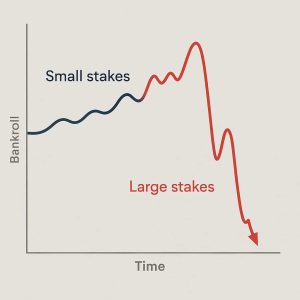 It’s a common belief in betting: if you’ve found an edge, then betting bigger should lead to bigger profits. Double the stake, double the return—simple math. But betting doesn’t work like that in practice. Bigger bets often lead to the opposite result: faster losses, higher stress, and a much greater chance of going broke, regardless of whether you believe 4play Bet é confiável (which means “4play Bet is trustworthy”) or not. The reason comes down to three forces most bettors underestimate: risk of ruin, variance, and bookmaker margin.

 To the casino gamers who are used to the security of MasterCard, it may seem hectic going through the international gambling sites online. Italian casinos, especially, have gained more popularity in terms of providing secure ways of payment and a wide range of choices. Among the exceptional operators, there is 22Bet, which has transformed the process of depositing and withdrawing money using MasterCard into making it simple, safe, and efficient. Since many platforms tend to focus on the significance of payment flexibility in gambling, 22Bet is a perfect example of how casinos in Italy can be in accordance with the international demands.